
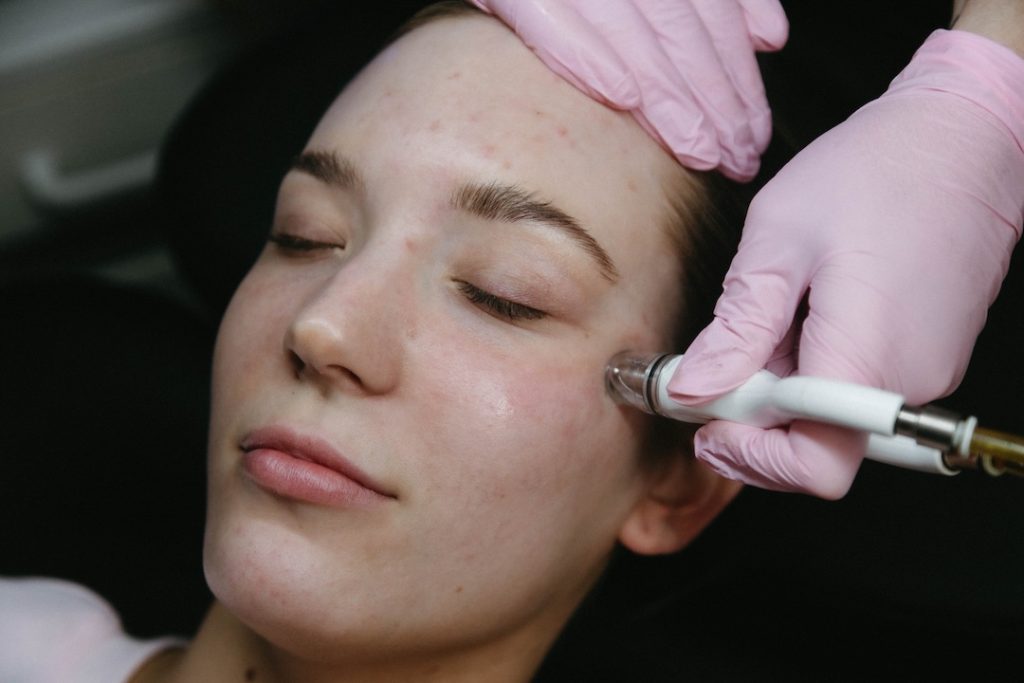
The Effects Of Stress On Your Face
Stress shows up in more ways than we realize. It affects how we sleep, how we feel, and very often, how our skin looks. At Soul, we see firsthand how the effects of stress can take a visible toll on the face, even in clients who follow a consistent skincare routine. Understanding what stress does to the skin is the first step toward managing it and restoring balance.
In a fast-paced world, stress isn’t always avoidable. But the way your skin responds to it can be supported with the right care, treatments, and habits. When you understand what’s happening beneath the surface, you can take meaningful steps to protect your skin and help it recover.
How Stress Shows Up on Your Skin
The connection between stress and skin health starts internally. When the body is under stress, it releases cortisol, often referred to as the stress hormone. Elevated cortisol levels trigger a chain reaction that can affect the skin in several noticeable ways.
Some of the most common effects of stress on the face include:
-
Increased oil production that leads to breakouts
-
Inflammation that worsens conditions like acne, eczema, and redness
-
Accelerated breakdown of collagen and elastin
-
A weakened skin barrier that struggles to retain moisture
-
Puffiness or dark circles around the eyes
Over time, chronic stress can make the skin appear dull, uneven, and prematurely aged, even when other lifestyle factors are in check.
Stress, Cortisol, and Premature Aging
One of the most significant concerns tied to stress is its impact on collagen. Collagen is what gives skin its firmness and resilience. When cortisol levels remain elevated, collagen production slows while breakdown speeds up. This imbalance contributes to fine lines, loss of elasticity, and skin that doesn’t bounce back the way it once did.
The effects of stress aren’t always sudden. Often, they build quietly over time, showing up as subtle changes that eventually become more noticeable. This is why early intervention and consistent care matter.
Why the Skin Barrier Suffers Under Stress
Your skin barrier acts as a protective shield, keeping moisture in and irritants out. Stress compromises this barrier by increasing inflammation and disrupting the skin’s ability to regulate itself. When the barrier is weakened, the skin becomes more sensitive, dehydrated, and prone to irritation.
This is often why stressed skin feels tight, looks dull, or reacts to products that were previously well tolerated. Supporting the barrier is essential when addressing stress-related skin concerns.
Under-Eye Changes Linked to Stress
The under-eye area is often one of the first places stress becomes visible. Poor sleep, increased inflammation, and fluid retention can all contribute to puffiness and dark circles. Because the skin here is thin and delicate, even small changes can make the eyes look tired or aged.
These under-eye changes are another common example of the effects of stress that clients notice when they look in the mirror, even if they’re otherwise feeling healthy.
Lifestyle Habits That Help Reduce Stress on the Skin
While professional treatments play an important role, everyday habits have a powerful influence on how the skin handles stress. Supporting your skin from the inside out helps improve resilience and recovery.
Some skin-supportive stress management practices include:
-
Mindfulness and breathing exercises that help regulate cortisol levels
-
Regular movement or exercise, which improves circulation and reduces stress hormones
-
Consistent, quality sleep, allowing the skin time to repair and regenerate
-
A balanced diet rich in antioxidants, omega-3s, and vitamins
-
Hydration, which supports elasticity and overall skin function
These habits don’t eliminate stress, but they can significantly reduce how strongly it shows up on your skin.
Skincare Choices Matter More During Stress
When the skin is stressed, less is often more. Gentle, hydrating products that support the barrier are key. Harsh exfoliants or overly active formulas can increase irritation during times of stress.
Ingredients that often benefit stressed skin include:
-
Antioxidants like green tea
-
Barrier-supporting ingredients that help retain moisture
Being intentional with skincare helps minimize the visible effects of stress and creates a foundation for professional treatments to work more effectively.
Professional Treatments That Support Stressed Skin
At Soul, we take a personalized approach to addressing stress-related skin concerns. Treatments are selected based on how stress is affecting your skin specifically, whether that’s inflammation, dullness, dehydration, or early signs of aging.
Professional facials, skin-renewing treatments, and barrier-supportive services can help:
-
Calm inflammation
-
Improve hydration and texture
-
Support collagen production
-
Restore balance to stressed skin
These treatments don’t replace healthy habits, but they can significantly accelerate recovery and improve how the skin responds to ongoing stress.
Why Personalization Makes a Difference
No two people experience stress the same way, and no two skins respond identically. This is why customization matters. A thoughtful treatment plan considers lifestyle, skin condition, and long-term goals rather than applying a one-size-fits-all solution.
Addressing the effects of stress successfully often involves adjusting treatments and skincare over time as stress levels and skin needs change.
Supporting Your Skin Beyond the Treatment Room
Consistency is key when managing stress-related skin concerns. Professional care works best when paired with daily habits that protect the skin barrier and reduce inflammation. Sun protection, gentle cleansing, and ongoing hydration all play a role in maintaining results.
Over time, skin that’s supported consistently tends to become more resilient, even during periods of heightened stress.
A Thoughtful Approach at Soul
At Soul, caring for stressed skin is about more than quick fixes. It’s about understanding how stress affects the body and creating a plan that supports long-term skin health. By addressing both internal and external factors, we help clients manage the visible effects of stress while maintaining a natural, well-cared-for appearance.
Take the Next Step Toward Healthier Skin
Stress may be part of life, but it doesn’t have to define how your skin looks or feels. With the right guidance, treatments, and habits, your skin can stay balanced and resilient even during demanding seasons. If you’re noticing changes that may be tied to the effects of stress, schedule a consultation at Soul and start building a skincare plan designed to support you from the inside out.
Author: Kelle C.