How Neurotoxin Treatments Can Fix a Gummy Smile
A gummy smile can draw attention away from otherwise balanced facial features. When too much gum shows while smiling, it’s often caused by overactive muscles in the upper lip rather than the teeth themselves. At Soul, neurotoxin treatments offer a non-surgical way to soften that movement and create a more relaxed, proportionate smile. For many clients, botox for gummy smile correction refers to this category of treatment, which may include Botox, Dysport, Xeomin, or similar neurotoxins depending on individual needs.
What Causes a Gummy Smile
A gummy smile isn’t always related to dental structure. In many cases, it’s the result of muscles that lift the upper lip too strongly when smiling. When those muscles contract, the lip rises higher than desired, exposing more gum tissue. According to the American Academy of Dermatology, neurotoxins work by temporarily relaxing targeted muscles, which is why they can be effective for concerns driven by muscle activity rather than anatomy.
Common contributors to a gummy smile include:
- Overactive upper lip muscles
- Short upper lip length
- The way facial muscles engage when smiling
Because muscle movement plays such a large role, neurotoxin treatments are often an effective solution.
How Neurotoxin Treatments Work
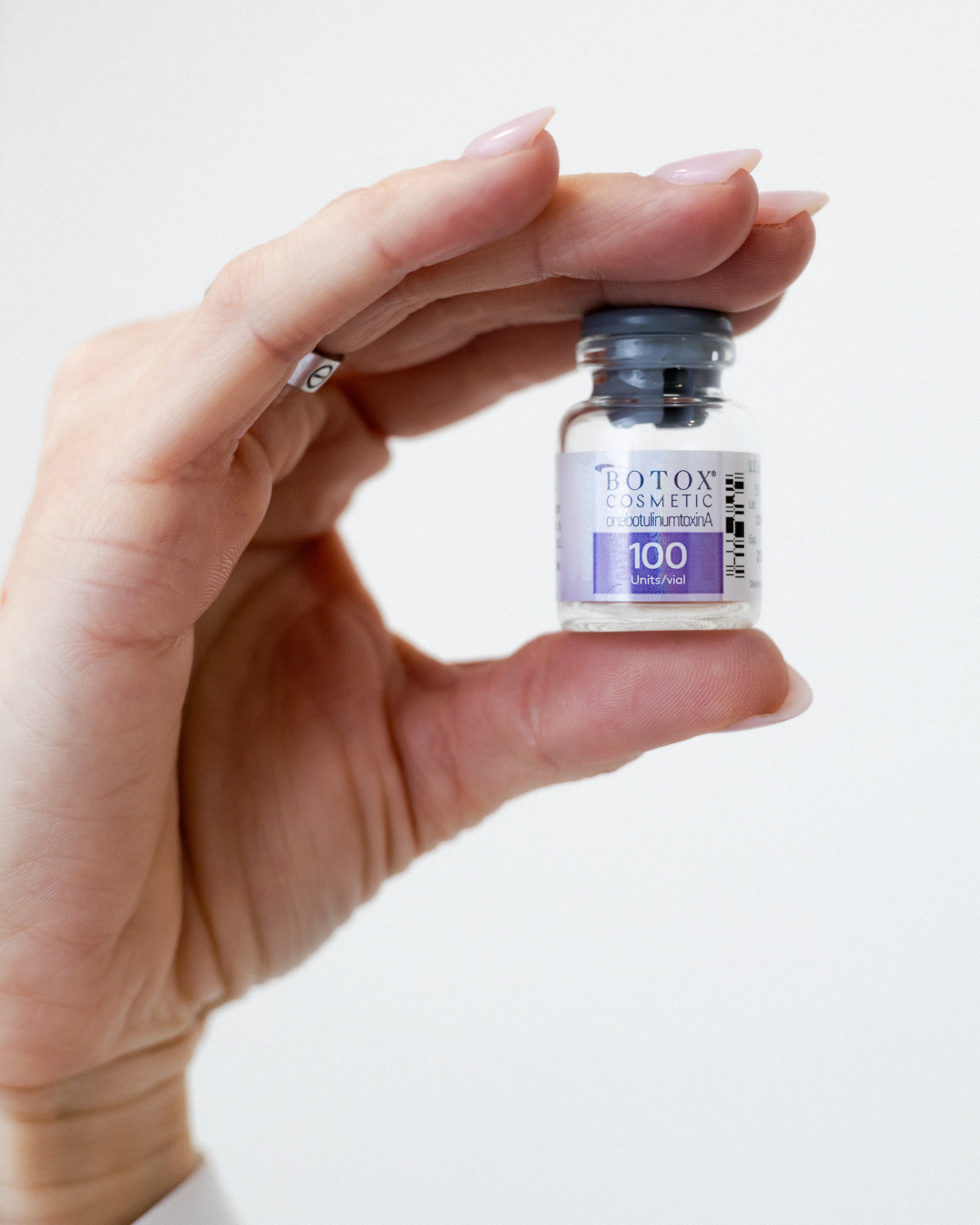
Neurotoxins such as Botox, Dysport, and Xeomin are designed to temporarily relax specific facial muscles. When carefully placed in the muscles responsible for lifting the upper lip, the lip doesn’t rise as high during a smile. This creates a more balanced look between the teeth, gums, and lips without affecting your ability to smile naturally.
At Soul, treatments are approached conservatively and with precision. The goal isn’t to freeze expression but to soften excessive movement. This is why botox for gummy smile correction is considered a refinement rather than a dramatic change, regardless of which neurotoxin brand is used.
What Results Can Look Like
Results from neurotoxin treatment typically begin to appear within several days, with full effects developing over about two weeks. When smiling, the upper lip lifts less aggressively, allowing more of the teeth and less gum to show.
Clients often notice:
- A more balanced smile
- Improved facial harmony
- Natural-looking movement
- No change to speech or eating
Because the treatment targets muscle activity, results look subtle and proportionate rather than obvious or overcorrected.
Why This Option Is Non-Surgical
One of the biggest benefits of using neurotoxins for a gummy smile is avoiding surgery. There are no incisions, no anesthesia, and no extended recovery time. Treatments are performed in-office and typically take only a short amount of time.
The Cleveland Clinic notes that neurotoxin injections are commonly used for cosmetic muscle relaxation and are considered minimally invasive, making them appealing for clients who want improvement without committing to more aggressive procedures.
What to Expect During Your Appointment
Treatment begins with an assessment of how your smile moves and which muscles are contributing to excess gum show. Based on this evaluation, a neurotoxin such as Botox, Dysport, or Xeomin may be selected to best suit your anatomy and goals.
During your visit, you can expect:
- A facial assessment focused on smile movement
- Strategic placement of neurotoxin
- Minimal discomfort
- A short appointment time
There is typically little to no downtime, and most clients return to normal activities the same day.
How Long Results Last
Results from botox for gummy smile treatment are temporary, which allows flexibility and adjustment over time. Effects generally last several months before muscle activity gradually returns. Many clients choose maintenance treatments to keep results consistent.
Because neurotoxins wear off gradually, treatments can be adjusted over time based on response, preference, and how facial movement evolves.
Who Is a Good Candidate
Neurotoxin treatments for a gummy smile work best for individuals whose concern is muscle-driven. A consultation helps determine whether Botox, Dysport, Xeomin, or another neurotoxin is the most appropriate option.
You may be a good candidate if:
- Your gums show primarily when smiling
- The upper lip lifts significantly with expression
- You want a non-surgical option
- You prefer subtle, natural-looking results
A personalized evaluation ensures the treatment plan aligns with your facial anatomy and goals.
Frequently Asked Questions
Will my smile look unnatural?
When performed correctly, results look soft and natural, not stiff or frozen.
Does the treatment hurt?
Discomfort is minimal and brief for most clients.
When will I see results?
Initial results typically appear within a few days, with full results around two weeks.
Can this be combined with other treatments?
Yes, it’s often paired with other facial treatments for overall balance.
Is botox for a gummy smile permanent?
No, results are temporary, which allows adjustments over time.
A Thoughtful Approach at Soul
At Soul, neurotoxin treatments are always performed with intention and restraint. Facial balance and natural expression guide every decision, ensuring results enhance rather than distract. Treatments are tailored to each client’s anatomy, smile dynamics, and comfort level.
By focusing on muscle behavior rather than forcing change, botox for gummy smile correction fits naturally into a broader aesthetic plan that prioritizes balance and confidence.
Smiling With Confidence
A gummy smile doesn’t have to define how you feel about your appearance. With a personalized approach and careful technique, neurotoxin treatments like Botox, Dysport, and Xeomin can create a more balanced smile without surgery or downtime. If you’re curious whether botox for gummy smile treatment is right for you, schedule a consultation at Soul and take the next step toward a smile that feels comfortable, confident, and natural.
Author: Kelle C.