
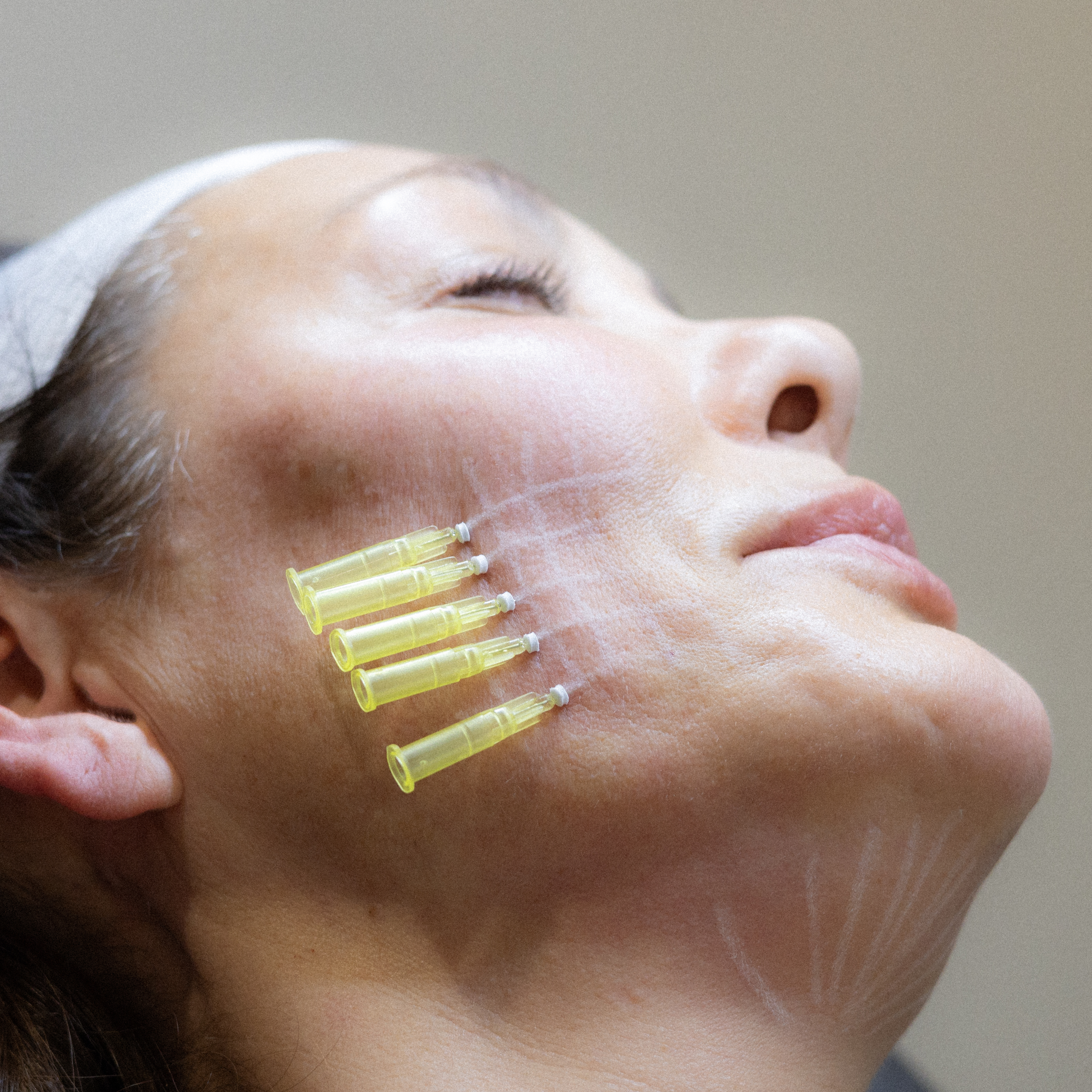
PDO Thread Lift Recovery Timeline: What to Expect
At Soul, PDO thread lifts are chosen by clients who want visible facial support without surgery or extended downtime. While results can be exciting, understanding the thread lift recovery time helps set realistic expectations and makes the healing process feel far more manageable. Recovery looks different for everyone, but having a clear timeline can help you plan confidently and feel prepared every step of the way.
What Happens Right After a PDO Thread Lift
Immediately following a PDO thread lift, it’s normal to experience mild swelling, tenderness, or tightness in the treated areas. These sensations are expected and are part of how the threads begin supporting the skin. Some clients notice slight bruising or dimpling, which typically resolves as the threads settle and the tissue adjusts.
The face may feel snug or firm at first, especially when making expressions. This initial phase is temporary and usually improves steadily over the first few days. Most clients are able to return home right after treatment and rest comfortably with minimal interruption to daily life.
The First 24 to 72 Hours
The first few days are when swelling and tenderness are most noticeable. During this time, it’s important to follow aftercare instructions closely to support healing and comfort. Light swelling or bruising may peak during this window and then begin to subside.
During this early phase, clients are often advised to:
- Avoid excessive facial movement
- Skip strenuous exercise
- Sleep on their back with head elevation
- Avoid rubbing or massaging the treated areas
These precautions help prevent unnecessary tension on the threads while the skin begins to adapt.
Days 4 Through 7: Settling and Softening
By the end of the first week, many clients notice that swelling has significantly improved. Bruising, if present, often fades or becomes easier to conceal. The tight sensation usually softens as the threads integrate into the tissue.
This stage of thread lift recovery time often brings a sense of relief, as the face starts to feel more natural while still maintaining support. Light daily activities are generally well tolerated, though high-impact movement should still be limited unless otherwise advised.
Weeks 2 to 4: Visible Improvement
During the second through fourth week, the threads continue to settle, and the skin begins to look smoother and more balanced. Any lingering tenderness typically resolves, and facial movement feels increasingly normal.
At this point, many clients feel comfortable returning fully to their usual routines. Makeup application, skincare, and gentle treatments can often resume as directed. Results may appear more refined as swelling disappears and the skin adjusts to its new support structure.
One to Three Months: Building Long-Term Results
PDO threads are designed not only to provide immediate support but also to stimulate collagen production over time. As weeks pass, the threads gradually dissolve while encouraging the skin’s natural renewal process.
Between one and three months post-treatment, clients may notice improved firmness and texture as collagen production increases. This phase is an important part of the overall outcome and contributes to results that continue to evolve rather than appearing all at once.
What Can Affect Recovery
Every client’s experience is unique, and several factors can influence healing. Skin quality, treatment area, number of threads used, and adherence to aftercare instructions all play a role. Lifestyle habits such as smoking, sun exposure, and physical activity can also impact healing speed.
Understanding these variables helps set realistic expectations and explains why recovery timelines may vary slightly from person to person.
What to Avoid During Healing
Protecting your results during healing is just as important as the treatment itself. During the recommended recovery period, clients are typically advised to avoid:
- Facial massages or aggressive skincare treatments
- Dental procedures or wide mouth movements early on
- High-heat environments like saunas
- Sleeping on the treated side
These guidelines help ensure the threads remain properly positioned as the tissue heals.
Frequently Asked Questions About PDO Thread Recovery
Q. How long does swelling usually last?
A. Most swelling improves within the first week, though mild residual swelling can last slightly longer depending on the treatment area.
Q. When can I return to work?
A. Many clients return to work within a few days, especially if bruising is minimal or easily covered.
Q. Will I feel the threads under my skin?
A. Early on, some awareness is normal, but this typically fades as healing progresses.
Q. Is discomfort expected?
A. Mild tenderness or tightness is common and temporary.
Q. How long is the full thread lift recovery time?
A. While early healing happens within weeks, full integration and collagen development continue over several months.
Managing Expectations With Confidence
Knowing what to expect during thread lift recovery time helps clients feel informed rather than anxious. PDO thread lifts are designed to be minimally invasive, but they still require patience as the skin adjusts and collagen builds. Results often look better with time, not immediately overnight.
At Soul, education is part of the experience. Clear guidance and follow-up care ensure recovery stays on track and results continue to improve naturally.
Supporting Your Results Long Term
Once healing is complete, maintaining results often involves consistent skincare, sun protection, and periodic professional treatments. PDO threads work best as part of a thoughtful aesthetic plan that supports overall skin health rather than relying on a single treatment alone.
Clients who understand the recovery process tend to feel more comfortable, confident, and satisfied with their results as they continue to evolve.
Planning Your Treatment With Confidence
A PDO thread lift can be an effective option for facial support without surgery, especially when expectations are aligned from the start. Understanding thread lift recovery time allows you to plan your schedule, follow aftercare instructions, and move through healing with confidence. If you’re considering PDO threads and want to know what recovery may look like for you, schedule a consultation at Soul and take the next step toward feeling informed, prepared, and supported throughout the process.
Author: Kelle C.