
PRP Treatment for Face Benefits: What You Need to Know
Facial rejuvenation treatments continue to evolve, and one approach that has gained attention in recent years is platelet-rich plasma therapy, often referred to as PRP. Many people researching natural approaches to skin improvement are curious about the PRP treatment for face benefits, especially because the treatment uses components from the body itself rather than synthetic products.
While PRP is widely studied for medical applications such as wound healing and orthopedic treatments, its use in aesthetic medicine has also generated growing interest. Understanding how it works and what it may offer can help individuals make informed decisions when exploring skin rejuvenation options.
What Is PRP?
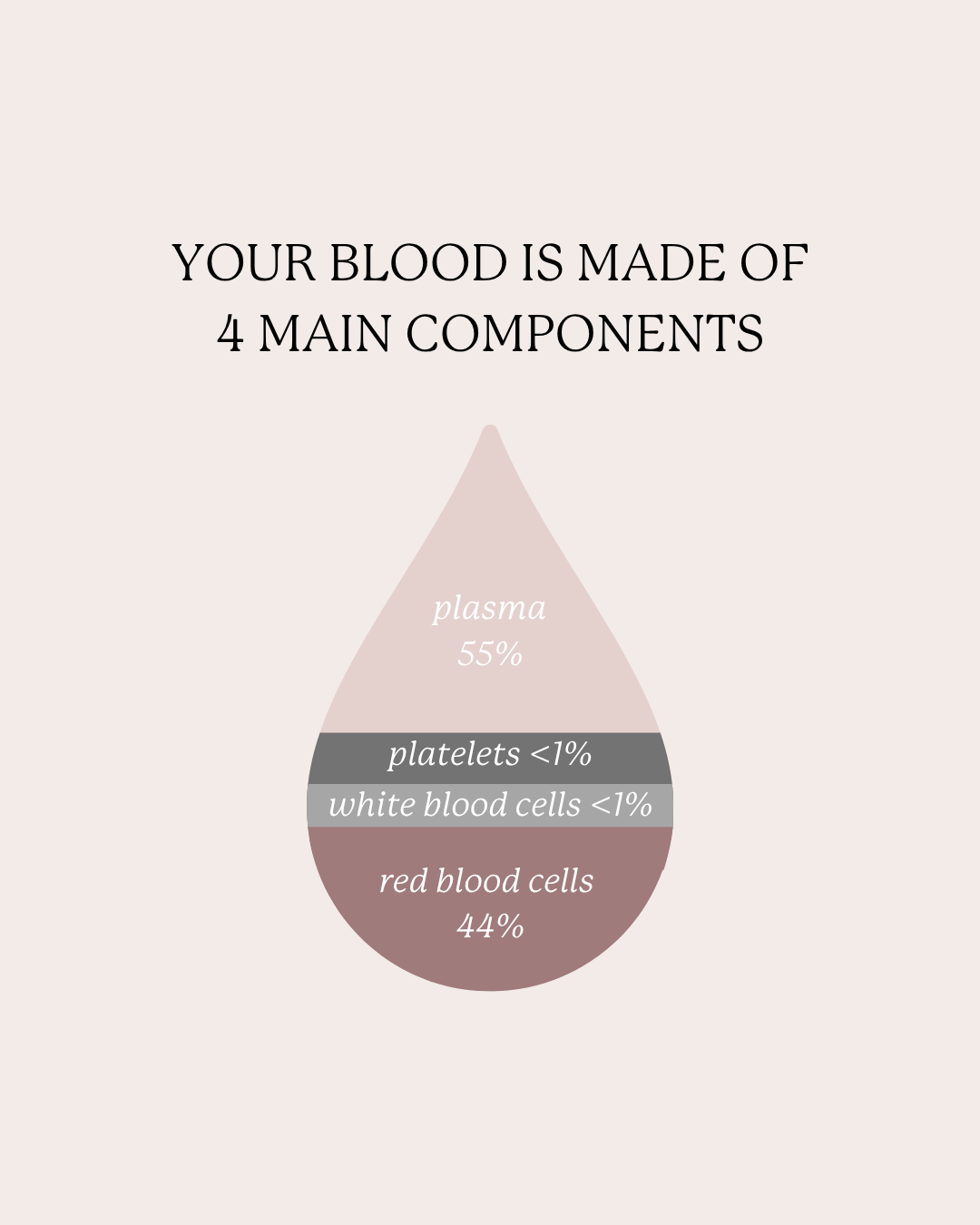
PRP stands for platelet-rich plasma. It is derived from a small sample of a person’s own blood. After the blood is drawn, it is processed in a centrifuge to separate the platelet-rich portion from other blood components.
Platelets contain growth factors that play an important role in healing and tissue repair. These growth factors help signal the body to regenerate tissue and support the healing process.
Because of this regenerative potential, PRP has been studied in a variety of medical fields, including sports medicine, wound care, and dermatology.
How PRP Is Studied in Skin Care
In aesthetic research, platelet-rich plasma has been explored for its potential to support skin regeneration. The growth factors within PRP may help stimulate collagen production and encourage cellular renewal.
Collagen is the structural protein responsible for skin firmness and elasticity. As collagen production naturally declines with age, skin may develop fine lines, uneven texture, and reduced resilience.
One reason people are interested in the PRP treatment for face benefits is the possibility that PRP may help support the skin’s natural repair processes rather than relying solely on synthetic substances.
Potential Skin Concerns PRP May Address
Research and clinical use suggest PRP may be used in aesthetic settings to support overall skin quality. Rather than dramatically changing facial structure, PRP is typically associated with gradual improvements in the skin’s appearance.
Potential areas of interest include:
- Uneven skin texture
- Dull or tired-looking skin
- Fine lines
- Mild skin laxity
- Overall tone and smoothness
The goal of treatments involving PRP is generally not immediate transformation but gradual improvement as the skin responds to regenerative signals.
Collagen Support and Skin Renewal
One of the most discussed aspects of PRP therapy is its potential role in collagen stimulation. Growth factors found in platelets can signal skin cells to activate repair pathways and support tissue regeneration.
According to information published by the Cleveland Clinic, platelet-rich plasma contains growth factors that may support healing and tissue repair. In dermatology research, these growth factors are being studied for their potential role in improving skin quality.
This gradual stimulation of collagen is often cited when discussing the PRP treatment for face benefits, as improvements may develop over time rather than appearing instantly.
Why Some People Are Interested in PRP
One reason PRP continues to attract attention is its biological approach. Because the treatment uses a person’s own plasma, many individuals see it as a more natural method of supporting skin health.
People who research PRP often appreciate that it focuses on encouraging the body’s regenerative processes rather than altering facial structure or adding volume.
However, it’s important to understand that results and experiences can vary depending on individual skin condition, treatment technique, and overall health factors.
Important Considerations
While PRP has been widely used in several areas of medicine, its use in cosmetic facial treatments may be considered off-label. Individuals interested in these procedures should consult with qualified medical professionals to understand the risks, benefits, and regulatory considerations.
Medical providers can determine whether a treatment aligns with a patient’s skin goals and health history.
Anyone researching the PRP treatment for face benefits should also be aware that outcomes can vary and that results may develop gradually.
Exploring Skin Rejuvenation Options
PRP is just one of many regenerative therapies being studied for skin improvement. Advances in aesthetic medicine have created multiple approaches for supporting skin quality, including treatments that stimulate collagen, improve hydration, and encourage healthy cell turnover.
Understanding the science behind these treatments allows individuals to make informed choices when considering ways to support their skin over time.
Supporting Long-Term Skin Health
Regardless of the treatments someone chooses to explore, healthy skin relies on consistent care. Daily sun protection, a balanced skincare routine, hydration, and professional guidance all contribute to long-term skin quality.
Many people who research regenerative therapies like PRP are ultimately interested in maintaining skin that looks healthy, balanced, and resilient.
Learning More About Skin Regeneration
Interest in regenerative treatments continues to grow as research advances. Learning about options like PRP can help individuals better understand how the skin heals and how modern aesthetic treatments aim to support that process.
If you’re exploring ways to improve skin quality or support collagen production, consulting with a qualified skincare professional can help you determine which options align best with your goals and lifestyle.
Author: Kelle C.